You don’t hear about it from the company.
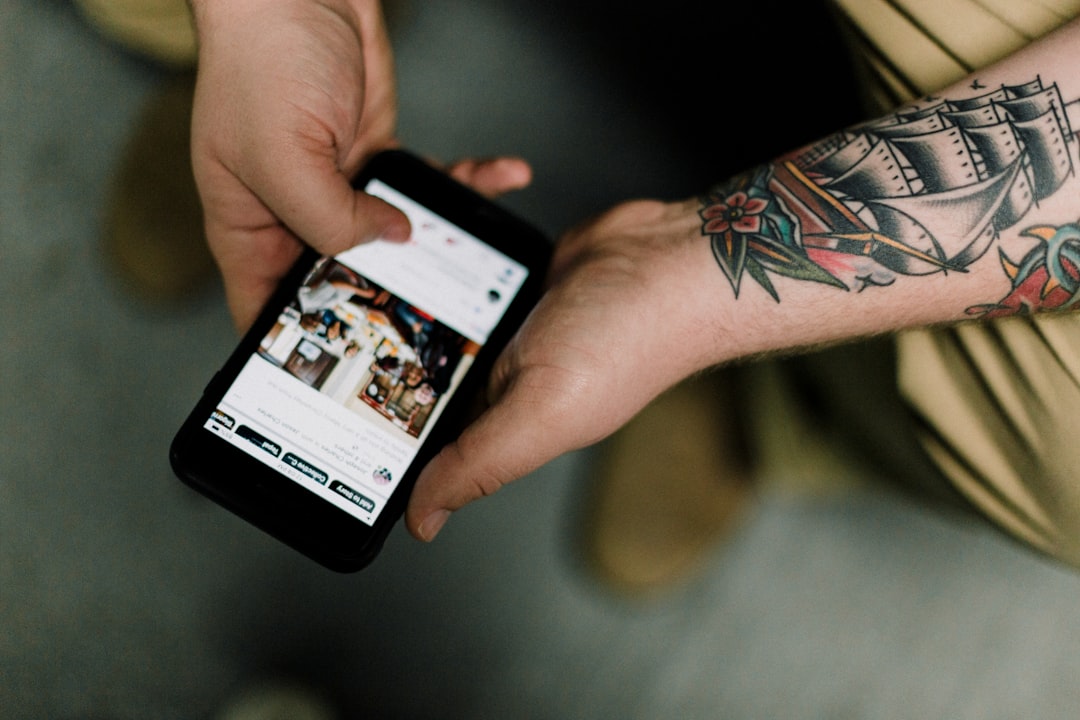
You hear about it while standing in line somewhere: coffee, groceries, school pickup, half-scrolling your phone and half-thinking about what comes next in your day.
A headline flashes past:
Ten million Americans affected in data breach.
You pause longer than you meant to.
Not because you’re surprised.
Because some quiet part of you is already asking, “Is this one of mine?”
You don’t know yet.
But your brain is already running scenarios.
Do I need to cancel my cards?
Freeze my credit?
Change everything right now before something bad happens?
You put the phone down.
Then pick it back up again.
The First Feeling Isn’t Fear. It’s Uncertainty
Nothing has happened to you.
No alerts.
No charges.
No locked accounts.
And somehow, that’s worse.
Because now you’re stuck in the in-between space: not safe, not harmed, just… waiting.
That’s the part people don’t talk about when they talk about breaches.
The harm doesn’t arrive all at once. It arrives as not knowing what matters and what doesn’t.
What This One Turned Out to Be
As more details come out, the story sharpens.
This wasn’t a case of money disappearing overnight.
No drained accounts.
No instant identity takeover.
What was exposed was quieter:
Email addresses.
Usernames.
Passwords, some reused, some outdated.
The kind of information that doesn’t hurt you immediately.
But can, later, if you’re not paying attention.
And that distinction changes everything.
The Moment Most People Miss
Here’s the part worth slowing down for:
A breach isn’t the damage. It’s the release.
The damage only happens if that information can still open doors.
Same password somewhere else.
Same email trusted without question.
Same habit of clicking when something sounds urgent.
That’s why the first 48 hours matter, not because something terrible is guaranteed to happen, but because this is the window where small choices quietly close a lot of future risk.
What You Do Next
Later that night, you sit down with your laptop.
You don’t do everything. You do one thing well.
You change the password on the affected account.
And anywhere you reused it.
That’s it.
You don’t cancel cards.
You don’t freeze credit.
Because nothing financial was exposed.
You make a mental note instead:
“If an email shows up referencing this breach, I’m slowing down.”
That alone removes most of the danger.
The Shift
At some point, the feeling changes.
Not relief exactly.
More like clarity.
You realize this wasn’t about reacting fast.
It was about reacting appropriately.
And once you see that, breaches stop feeling like random digital disasters and start feeling more like weather reports.
Important.
Contextual.
Something you respond to, not something that owns you.
The Quiet Truth About Breaches
Most people don’t get hurt because of the breach itself.
They get hurt weeks later by:
Emails that sound helpful.
Messages that feel urgent.
Logins that “just need one quick verification.”
The breach is just the setup.
Awareness is what breaks the pattern.
The Part No One Says Out Loud
The goal isn’t to lock everything down forever.
It’s to make your digital life boring to misuse.
Unique passwords.
A little skepticism.
A pause when something feels rushed.
Those habits don’t make headlines.
But they work.
What to Remember
Not every breach is an emergency
What matters is what was exposed, not how many people
The first 48 hours are about calm choices, not dramatic ones
Most real damage comes from follow-on scams, not the breach itself

If you want something steady to come back to, especially when the next headline hits (and it will).
I put together a simple Breach Response Quick Guide you can keep on hand.
One page.
Clear steps.
No panic.
Because knowing what not to do is just as powerful as knowing what to do.